Natural Stone
What Is Travertine? Properties, Uses, Pros and Cons
Travertine's pitted surface is its signature. Those holes are part of how the stone forms, and they directly affect how the stone is finished and maintained.
Quick answer
Travertine is a natural sedimentary stone in the limestone family, formed by mineral springs. It is recognized by its small pits and holes, which are often filled during finishing.
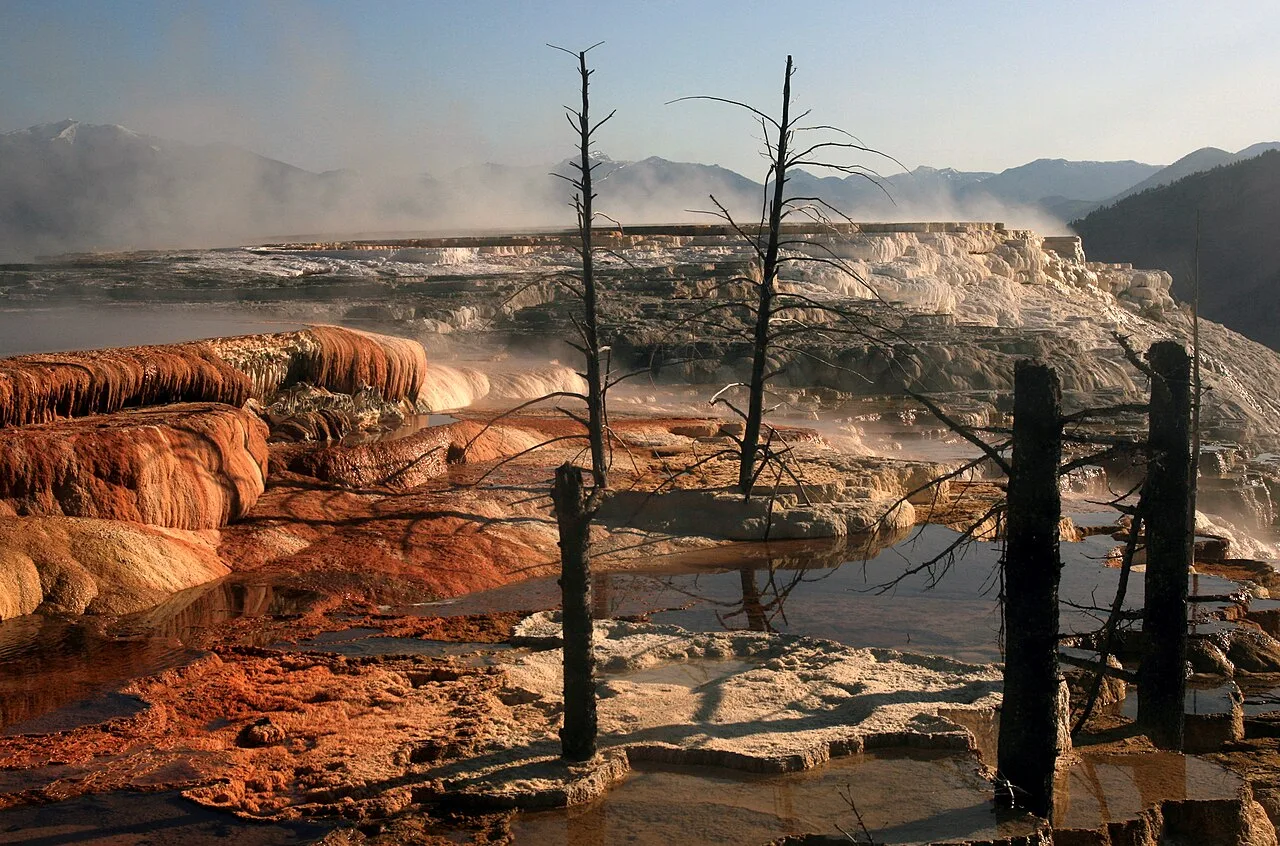
Travertine is a natural sedimentary stone in the limestone family, formed around mineral springs and hot springs. It is recognized by the small pits and holes that run through it — the signature of how it formed.
How Does Travertine Form?
Travertine forms when mineral-rich water, usually groundwater moving through limestone, deposits calcium carbonate at the surface. As the water flows and evaporates, layers of calcite build up — often around springs, where escaping gas creates the voids and channels that become travertine's holes.
What Does Travertine Look Like?
Travertine is typically warm-toned — cream, beige, tan, gold, and occasionally silver or red-brown. Its pits and holes are usually filled during finishing with cement or resin and then honed flat, giving the surface its characteristic speckled, gently textured look.
Where Is Travertine Used?
Travertine is used for flooring, wall cladding, backsplashes, fireplace surrounds, and outdoor paving. It is less common for kitchen countertops than granite or quartz, partly because of its porosity, but it is popular for bathrooms and large architectural surfaces.
Porosity and Sealing
Travertine is porous and is commonly sealed, especially in wet areas and on floors. The fill material and the finish both affect how much the stone absorbs. Sealing reduces absorption, but it does not make travertine stain-proof or waterproof.
Heat and Scratch Resistance
Travertine is softer than granite and quartzite and can scratch. It tolerates moderate heat. Its softer, warmer character is part of its appeal, but it means the surface will show wear and develop a patina over time, particularly with a honed or tumbled finish.
Common Finishes
Travertine is most often sold honed and filled for a smooth, matte surface. It is also available tumbled for a rustic, aged look with rounded edges, and polished for a glossier appearance — though polished travertine is less common on floors because it can become slippery when wet.
Advantages
- Warm, natural tones that suit Mediterranean and modern styles.
- Readily available in tiles and large formats.
- Aged and tumbled finishes hide wear well.
- Often more affordable than marble or granite.
Limitations
- Porous and typically needs sealing.
- Softer than granite and quartzite.
- Filled holes can wear or pop out over time.
- Acidic liquids can etch the surface.
Common Misunderstandings
Travertine's holes are not damage — they are part of the stone's structure and are normally filled during fabrication. A filled and sealed travertine floor is still not waterproof, and sealing is maintenance, not a one-time permanent treatment.
References & further reading
- Travertine — Geology.com
- Travertine — Encyclopaedia Britannica