Natural Stone
What Is Marble? Properties, Uses, Pros and Cons
Marble is valued for its flowing veins and soft, classical appearance. Its beauty comes with a trade-off: calcite-based marble can etch when it meets acidic liquids.
Quick answer
Marble is a natural metamorphic rock formed when limestone is altered by heat and pressure. It is prized for its veining and classic look, but it is softer and more reactive to acids than granite or quartzite.
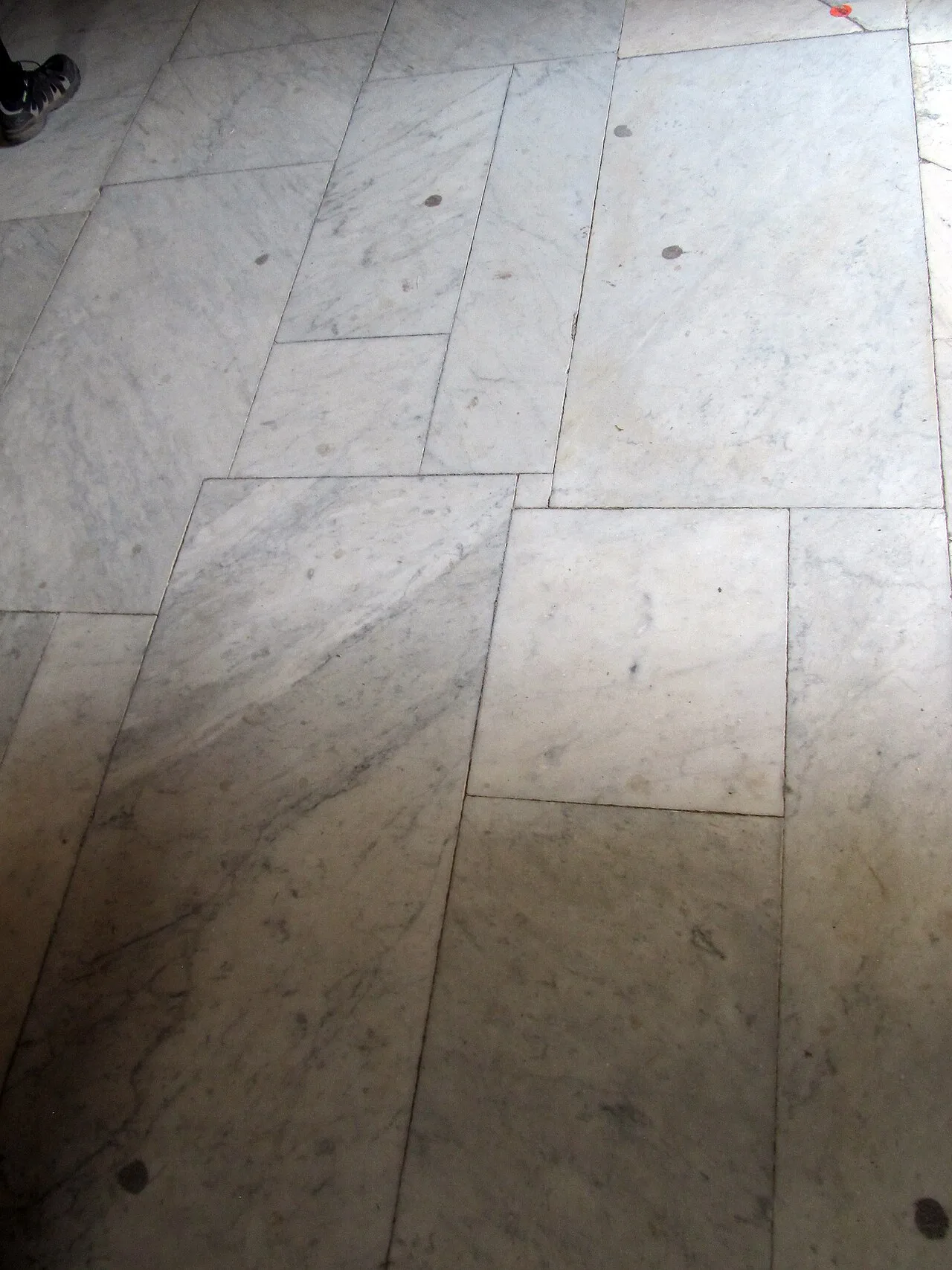
Marble is a metamorphic rock — a stone transformed when limestone is subjected to heat and pressure deep in the Earth. That transformation recrystallizes the calcium carbonate, creating the tight, workable stone whose veined surface has been used in architecture and sculpture for centuries.
How Does Marble Form?
Marble begins as limestone or dolomite, a sedimentary rock often formed from marine organisms. When that rock is buried and exposed to heat and pressure, its minerals recrystallize into marble. Impurities in the original limestone — clay, silt, sand, iron oxides, and other minerals — become the veins and color variation that give marble its character.
What Does Marble Look Like?
Marble ranges from pure, uniform white to dramatically veined surfaces in grey, gold, green, brown, and black. Classic white marble with grey veining is the most familiar, but marble's appearance depends entirely on the deposit it came from. No two slabs have the same vein pattern.
Where Is Marble Used?
Marble is used for countertops, bathroom vanities, backsplashes, fireplace surrounds, flooring, wall cladding, and decorative features. It is favored where its classic, light-reflecting look matters more than maximum resistance to wear.
Etching — The Key Consideration
Marble is made of calcium carbonate, which reacts with acids. Lemon juice, vinegar, wine, and some cleaning products can etch the surface — leaving dull marks that are not stains but actual chemical changes to the stone. This is the single most important practical difference between marble and harder stones like granite. Etching can be repaired by a professional, but it cannot simply be wiped away.
Porosity and Sealing
Marble's porosity varies by type and finish. Sealing reduces absorption and can make cleanup easier, but it does not stop etching and it does not make marble stain-proof. Sealing helps with liquids; it cannot protect the stone from acid reactions.
Heat and Scratch Resistance
Marble tolerates moderate heat but is softer than granite or quartzite, so it scratches more easily. A polished marble surface will show fine scratches and everyday wear more readily than a honed finish, which is one reason honed marble is popular for floors and high-use areas.
Common Finishes
Marble is available polished, honed, leathered, and tumbled. Polishing maximizes color and reflectivity but makes etching and scratches more visible. Honing produces a soft, matte surface that hides wear better and is often preferred for floors.
Advantages
- Distinctive, one-of-a-kind veining and natural beauty.
- Classic appearance that suits both traditional and modern spaces.
- Stays cool, which some bakers value for pastry work.
- Wide availability in slabs and tiles.
Limitations
- Etches from acids, including common kitchen liquids.
- Softer than granite and quartzite, so it scratches more easily.
- Requires more careful daily maintenance.
- Veining makes matching across seams challenging.
Common Misunderstandings
Marble is not simply "soft stone" — its hardness varies by type, but its acid sensitivity is the more consistent issue. And natural marble is not the same material as cultured marble, a manufactured product that imitates its look. Sealing marble does not prevent etching; it only reduces absorption.