Natural Stone
What Is Quartzite? Properties, Uses, Pros and Cons
Quartzite and engineered quartz share part of a name but are different materials. Quartzite is a natural stone, while engineered quartz is manufactured.
Quick answer
Quartzite is a natural metamorphic rock formed from quartz sandstone under heat and pressure. It is one of the harder natural stones and is not the same material as engineered quartz.
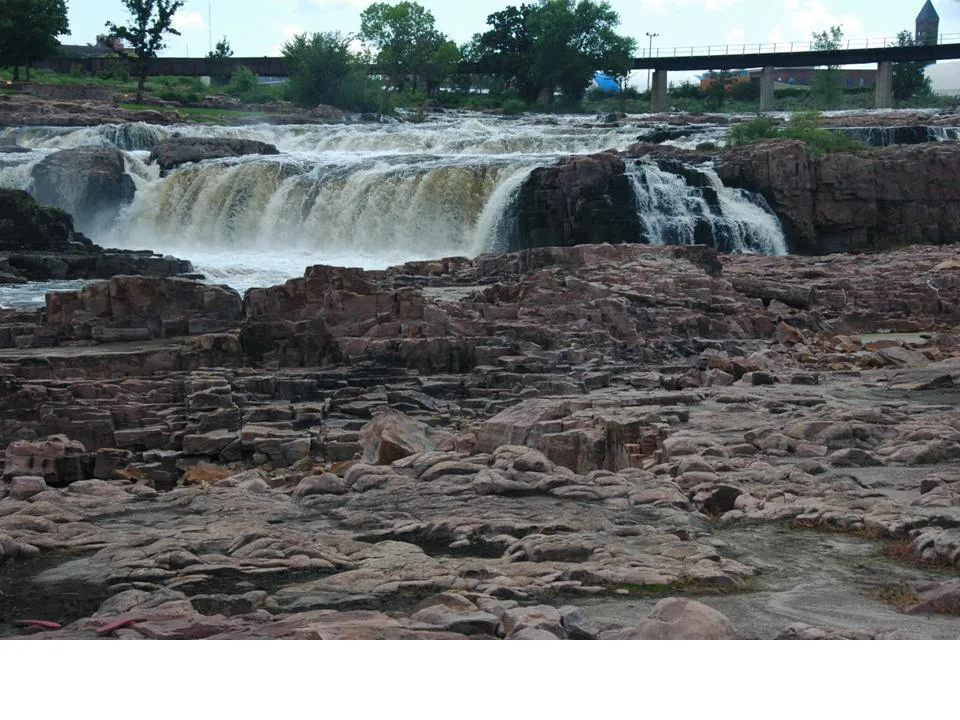
Quartzite is a natural metamorphic rock formed when quartz-rich sandstone is subjected to heat and pressure. The quartz grains recrystallize and fuse together, creating a stone that is both hard and often strikingly crystalline in appearance.
Quartzite vs Engineered Quartz
The most important distinction in this topic is in the name. Quartzite is a natural stone quarried from the earth. Engineered quartz is a manufactured surface made from crushed quartz bound with resin. They share part of a name but are different materials with different properties and care needs.
How Does Quartzite Form?
Quartzite starts as sandstone rich in quartz grains. Under heat and pressure, those grains recrystallize and lock together with silica cement. The result is a dense rock that is generally harder and less porous than the sandstone it came from.
What Does Quartzite Look Like?
Quartzite ranges from pale white and grey to pink, green, and dramatic banded patterns. Some quartzite resembles marble closely enough that the two are confused. Its crystalline texture and glassy sparkle — where visible — are useful clues, but reliable identification may require testing by a stone professional.
Where Is Quartzite Used?
Quartzite is used for kitchen countertops, bathroom vanities, wall cladding, and flooring. It appeals to buyers who want the look of a dramatic natural stone with hardness closer to granite than to marble.
Porosity and Sealing
Quartzite is generally low to medium in porosity, but this varies by slab. Some quartzites absorb very little and need little sealing; others benefit from a sealer. As with any natural stone, the specific slab and finish determine the practical sealing needs.
Heat and Scratch Resistance
Quartzite is among the harder natural stones used for countertops and resists scratching well. It also tolerates heat well in normal use. As with granite, "heat-resistant" does not mean heatproof, and very hot items should still be handled with care.
Advantages
- Hard and scratch-resistant for a natural stone.
- Often resembles marble without marble's acid sensitivity.
- Unique natural patterns that cannot be replicated.
- Handles heat well in normal kitchen use.
Limitations
- Can be confused with marble or engineered quartz.
- Hardness and porosity still vary by slab.
- Premium slabs can be expensive.
- Some varieties still need sealing.
Common Misunderstandings
Quartzite is not engineered quartz, and the two should not be treated as interchangeable. Some stones sold as quartzite are actually marble, which is softer and etches — a reminder that slab identity matters. Low-porosity quartzite is also not completely waterproof, and sealing does not make any stone stain-proof.