Engineered Surfaces
What Is Engineered Quartz? Properties, Uses, Pros and Cons
Engineered quartz delivers the consistent look that natural stone cannot promise. The resin that makes it non-porous also limits how much heat it can take.
Quick answer
Engineered quartz is a manufactured surface made mostly of crushed natural quartz bound with resin and pigments. It is engineered for consistent color and low porosity, and it is not the same material as natural quartzite.
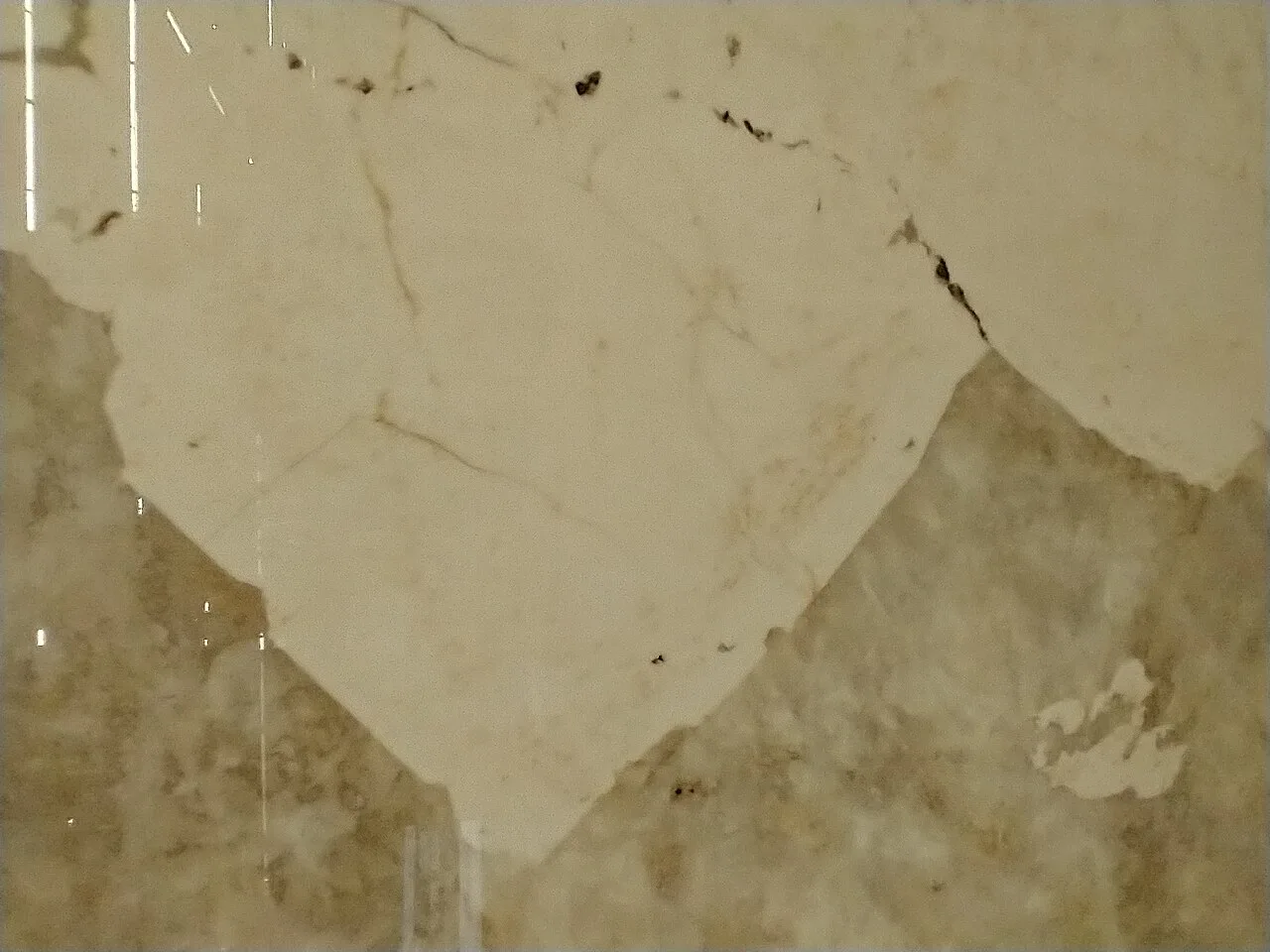
Engineered quartz is a manufactured surface made from crushed natural quartz bound together with resin and pigments. It is engineered for consistent color and pattern, and it is not the same material as natural quartzite.
What Is It Made From?
Engineered quartz is typically about 90% crushed quartz by weight, mixed with polyester or acrylic resins and pigments. The quartz gives the surface its hardness; the resin binds the particles and allows manufacturers to produce repeatable, uniform colors and patterns.
How Is It Manufactured?
The crushed quartz, resin, and pigments are mixed, then pressed into slabs under vacuum and heat, which cures the resin into a solid, dense sheet. The slabs are then calibrated and polished to a consistent thickness and finish. This process is why engineered quartz looks the same from batch to batch.
What Does It Look Like?
Engineered quartz ranges from solid colors to stone-like patterns, including marble-look designs with printed or mixed veining. Because it is manufactured, pattern repeatability is a feature: two slabs of the same color will match far more closely than two slabs of natural stone.
Where Is It Used?
Engineered quartz is used for kitchen countertops, bathroom vanities, backsplashes, wall cladding, and commercial surfaces. It is one of the most common countertop materials because it combines a stone-like appearance with consistent, low-maintenance performance.
Porosity and Sealing
Engineered quartz is dense and low-porosity and generally does not need sealing. The resin fills the spaces between quartz particles, which is why it resists staining well. Low porosity does not mean it is impossible to stain, but it is one of the material's main practical advantages.
Heat Resistance
Quartz's weakness is heat. The resin that makes it non-porous can be damaged by high heat, so placing hot pans directly on engineered quartz can scorch or discolor it. Using trivets and heat pads is the standard recommendation — this is the key trade-off versus natural stone.
Scratch Resistance
Engineered quartz is hard and resists scratching well in normal use, though it can still be scratched by knives or abrasive materials. Its consistent, uniform surface means fine scratches are usually less noticeable than on a polished natural stone.
Advantages
- Consistent color and pattern across slabs.
- Low-porosity and stain-resistant, with no sealing required.
- Hard and scratch-resistant.
- Wide range of colors and stone-look options.
Limitations
- Less heat-resistant than natural stone.
- Not repairable as easily as solid surface.
- Seams and edges show the manufactured nature of the material.
- Direct sunlight can fade some colors over time.
Common Misunderstandings
Engineered quartz is not natural quartzite, and the two should not be confused. It is also not "stain-proof" — its low porosity reduces staining risk but does not eliminate it. And its heat sensitivity comes from the resin, which is why "heat-resistant" claims for quartz should always be read against the specific product's guidance.
References & further reading
- Engineered Quartz — International Surface Fabricators Association
- Quartz (engineered surface) — Wikipedia