Engineered Surfaces
What Is a Porcelain Slab? Properties, Uses, Pros and Cons
Porcelain has moved from small tiles to room-sized slabs. The same dense, low-porosity material now competes directly with stone for countertops and cladding.
Quick answer
A porcelain slab is a large-format ceramic surface made from refined clay and minerals fired at high temperature. Porcelain is dense, low-porosity, and available in very large thin sheets for countertops, floors, and walls.
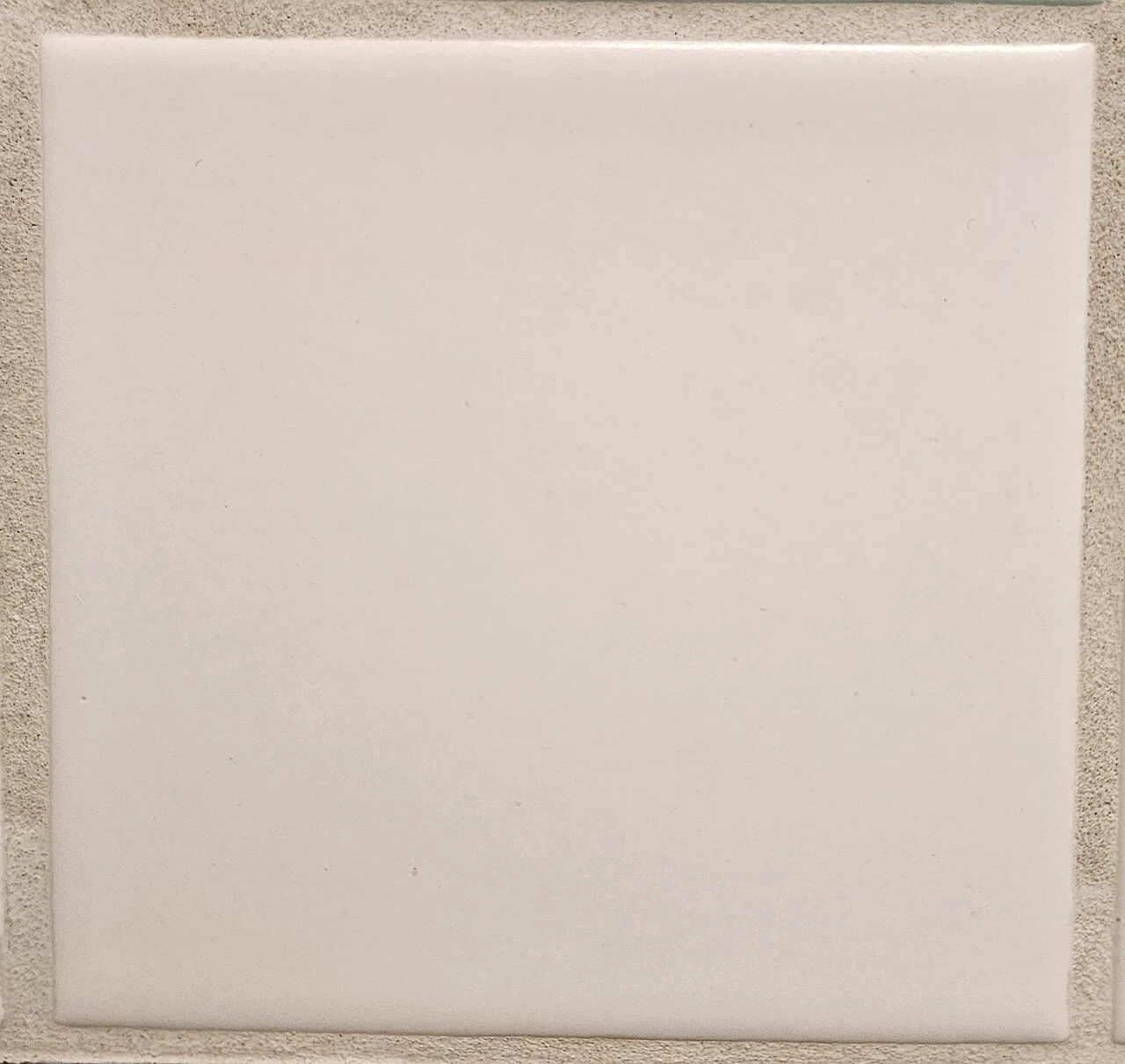
A porcelain slab is a large-format ceramic surface made from refined clay and minerals, fired at very high temperature. It is essentially porcelain tile scaled up to room-sized sheets, and it is denser and less porous than standard ceramic tile.
What Is It Made From?
Porcelain slabs are made from finely milled clays, feldspar, silica, and mineral pigments. The refined, tightly controlled raw materials are part of what distinguishes porcelain from ordinary ceramic tile.
How Is It Manufactured?
The raw materials are pressed into large sheets and fired at temperatures high enough to vitrify the body — meaning the material partially fuses into a dense, glassy structure. The result is a slab with very low water absorption. Surface designs are applied as pigments or printed glazes before firing.
What Does It Look Like?
Porcelain slabs are produced with surfaces that mimic natural stone, concrete, wood, and metal, as well as solid colors. The printed surfaces are highly consistent, and the slabs are available in very large, thin formats that can create near-seamless walls and countertops.
Where Is It Used?
Porcelain slabs are used for kitchen countertops, bathroom vanities, wall cladding, flooring, and exterior facades. Their low porosity and UV stability make them suitable for outdoor use where many other surfaces would fade or absorb moisture.
Porosity and Sealing
Porcelain is dense and very low-porosity, and the slab face generally does not require sealing. Seams, edges, and the grout lines in tiled installations can still need attention, but the material itself absorbs very little.
Heat and Scratch Resistance
Porcelain tolerates heat very well and can generally withstand hot items, unlike resin-based quartz. It is also hard and scratch-resistant. The main vulnerability is impact: thin porcelain edges and large unsupported spans can chip or crack.
Advantages
- Very low porosity and stain resistance.
- High heat resistance.
- Hard and scratch-resistant surface.
- Large, thin formats and outdoor suitability.
Limitations
- Can chip or crack on impact, especially on edges.
- Specialized fabrication and installation required.
- Printed surfaces may not match the depth of natural stone.
- Repairs are more difficult than with solid surface.
Common Misunderstandings
Porcelain slabs and sintered stone are often confused, but they are distinct manufacturing processes and should not be specified interchangeably. Low water absorption does not make a slab indestructible, and a printed stone look is still a print — it does not have the through-body pattern of natural stone.
References & further reading
- Porcelain Tile — Tile Council of North America
- Porcelain — Encyclopaedia Britannica