Engineered Surfaces
What Is Ceramic Tile? Properties, Uses, Pros and Cons
Ceramic tile is one of the oldest manufactured building surfaces. The glaze that gives it color also seals its face, which is why glazed and unglazed tile behave differently.
Quick answer
Ceramic tile is a manufactured surface made from clay that is shaped and fired in a kiln. It is usually glazed, widely used for floors and walls, and generally more porous than porcelain tile.
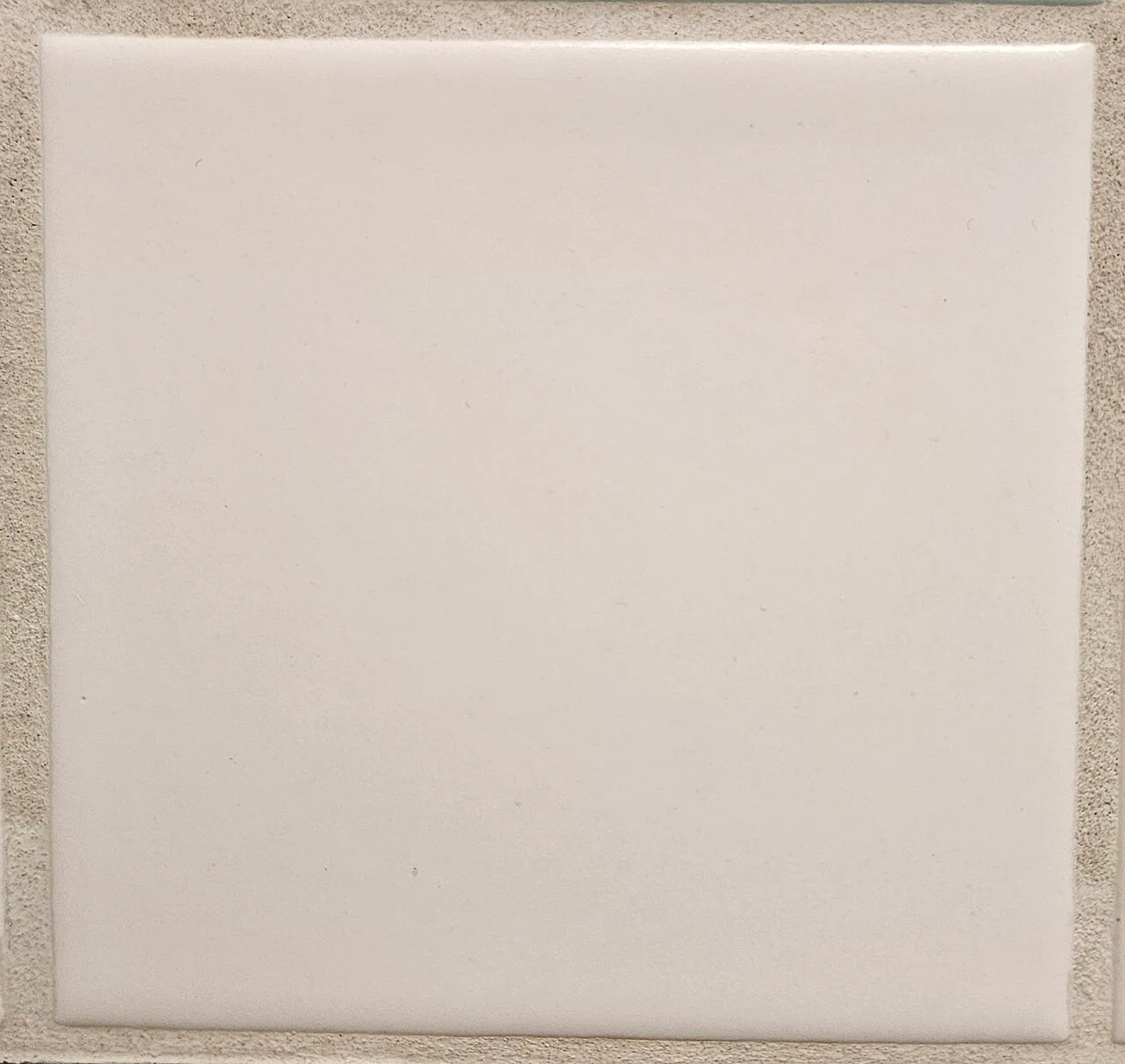
Ceramic tile is a manufactured surface made from clay that is shaped and fired in a kiln. It is usually glazed, and it is generally more porous and less dense than porcelain tile.
What Is It Made From?
Ceramic tile is made from natural clay mixed with other minerals, pressed or extruded into shape, and fired. A glaze — a glass-like coating — is applied to the face of most ceramic tile, giving it color, pattern, and a sealed surface.
How Is It Manufactured?
The clay body is formed and dried, then fired. Glazed tiles receive their glaze before firing so that it fuses to the body in the kiln. The glaze and the clay body are different materials, which is why a chipped glazed tile can expose a differently colored body underneath.
What Does It Look Like?
Ceramic tile is available in an enormous range of colors, patterns, and finishes, from glossy to matte to textured. Its glaze is what carries most of the design, allowing ceramic tile to imitate other materials at a lower cost.
Where Is It Used?
Ceramic tile is used for walls, floors, backsplashes, and showers. It is the standard wall tile in bathrooms and kitchens, while denser porcelain is more common on floors and in wet or exterior areas.
Porosity and Sealing
The glazed face of ceramic tile is relatively non-absorbent, but the unglazed edges and body are more porous. Grout lines between tiles are also absorbent and are usually sealed. Glazed tile itself generally does not need sealing; unglazed tile does.
Durability
Ceramic tile is durable for wall use but is softer than porcelain. On floors, it is more prone to chipping and cracking, especially under heavy impact. The glaze can also scratch or wear, revealing the clay body beneath.
Advantages
- Enormous range of colors and patterns.
- Lower cost than porcelain and natural stone.
- Easy to clean glazed surfaces.
- Lightweight and straightforward to install.
Limitations
- Softer and more porous than porcelain.
- Glaze can chip, exposing the body.
- Grout lines need sealing and cleaning.
- Less suitable for heavy-impact floors.
Common Misunderstandings
Ceramic and porcelain are not the same — porcelain is a denser, less porous type of ceramic fired to higher temperatures. A glazed surface is not the whole story: the tile's body and edges matter for water resistance and durability. Sealing grout does not make a tiled wall waterproof.
References & further reading
- Ceramic Tile — Tile Council of North America
- Tile — Encyclopaedia Britannica