Guides
Countertop Materials Explained
Countertop choices usually come down to a small set of materials. Understanding what each is made of — natural or manufactured — clarifies almost every other difference.
Quick answer
Countertop materials fall into two broad groups: natural stone and manufactured surfaces. Each balances heat resistance, porosity, appearance, and maintenance differently, so no single material wins for everyone.
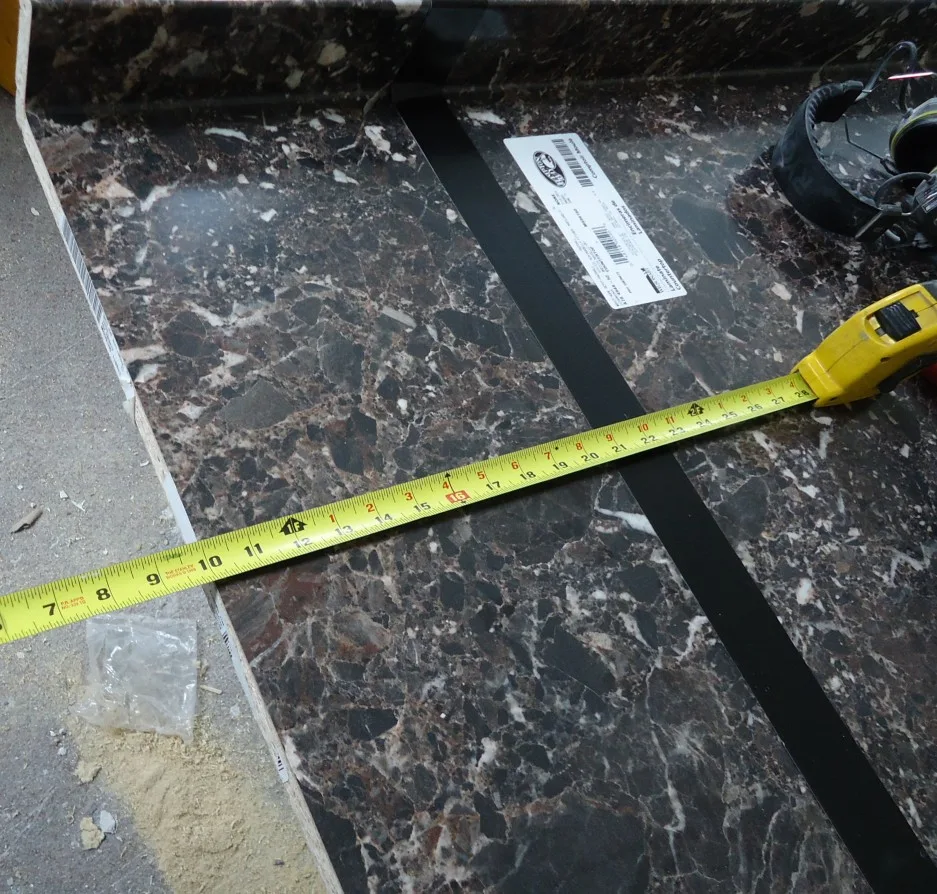
Countertop materials fall into two broad groups: natural stone and manufactured surfaces. Each balances heat resistance, porosity, appearance, and maintenance differently, so no single material wins for everyone.
Natural Stone Countertops
Granite, marble, quartzite, and soapstone are the main natural-stone options. They offer one-of-a-kind patterns and — for granite and quartzite — high heat tolerance. Their trade-offs are slab-by-slab variation and, for marble, acid etching. Natural stone means choosing a specific slab and accepting its unique behavior.
Engineered Quartz
Engineered quartz is the most common manufactured countertop. It combines crushed quartz with resin for consistent color and low porosity, with no sealing required. Its weakness is heat — the resin can scorch — so trivets are essential. It is the default choice when people want predictable, low-maintenance performance.
Porcelain and Sintered Stone
Porcelain slabs and sintered stone are fired, resin-free surfaces with high heat tolerance and very low porosity. They are produced in large, thin formats and can be used outdoors. Their main vulnerabilities are impact damage on thin edges and more difficult repairs.
Solid Surface
Solid surface is a resin-and-mineral material known for near-invisible seams and repairability — scratches and burns can often be sanded out. It is non-porous but not heat-resistant, which limits it in heavy-use kitchens. It excels in bathrooms and commercial settings where seamless shapes matter.
How to Compare Materials
Compare countertops on the properties that matter for your use: heat tolerance, porosity and sealing, scratch resistance, acid resistance, and how marks show. The right material depends on how you cook, how you clean, and how much character versus consistency you want.
Common Misunderstandings
No countertop material is stain-proof, heatproof, or maintenance-free — each has a specific trade-off. "Natural" does not mean better, and "manufactured" does not mean inferior. Specific product and slab specifications always take priority over general category claims.
References & further reading
- Countertop materials — Natural Stone Institute
- Surface materials — International Surface Fabricators Association