Finishes & Terms
What Is a Polished Stone Finish?
Polishing is the default finish for many stones, and for good reason — it reveals the richest color and pattern. The same mirror surface, however, reveals wear more easily.
Quick answer
A polished finish is a glossy, reflective surface produced by grinding and buffing stone with progressively finer abrasives. It deepens color and pattern but can show scratches and etching more readily than matte finishes.
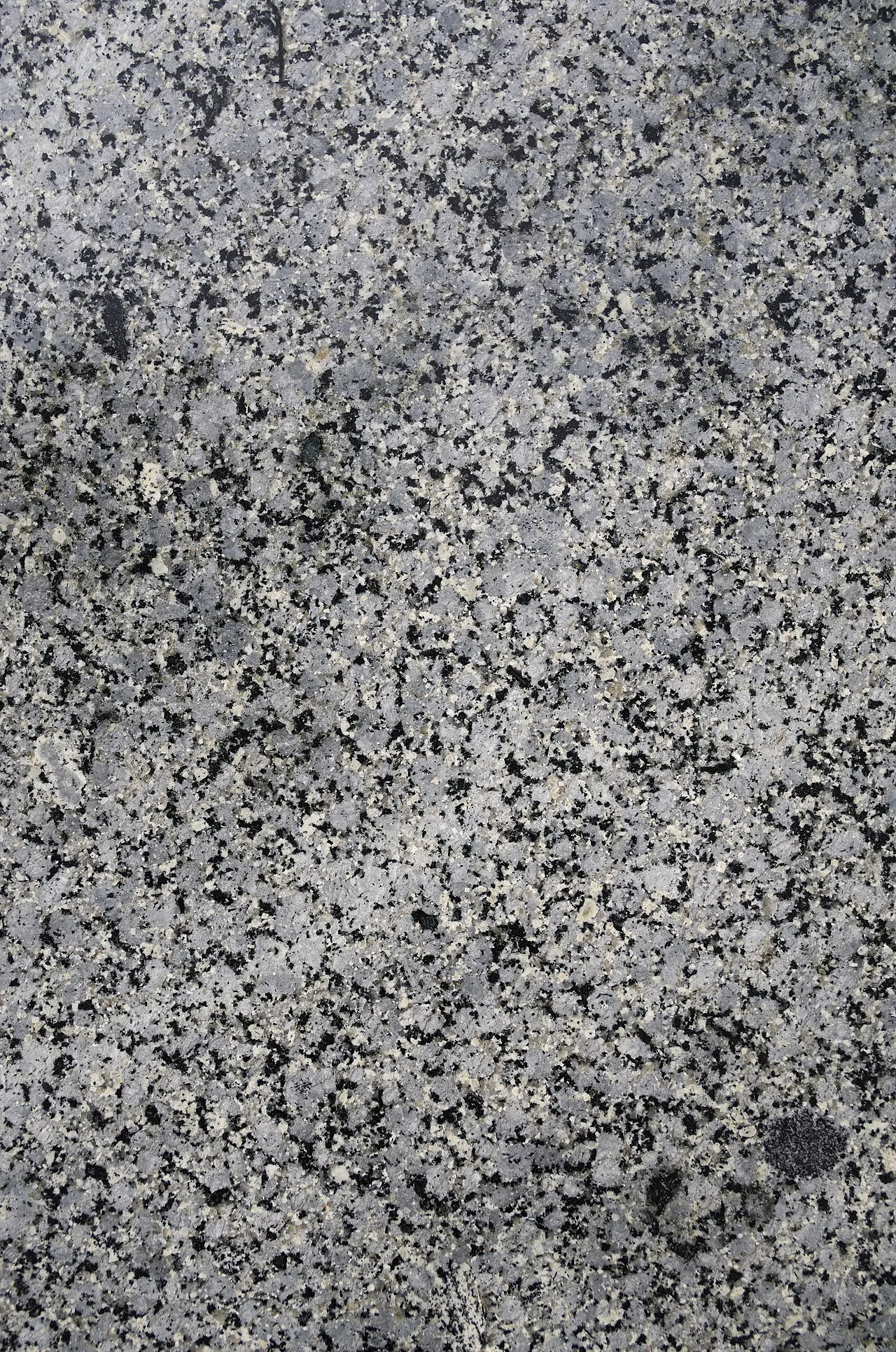
A polished finish is a glossy, reflective surface produced by grinding and buffing stone with progressively finer abrasives. It is the most common finish for granite, marble, and quartzite, because it reveals the deepest color and pattern.
How Is a Polished Finish Produced?
Polishing grinds the stone's surface with a sequence of abrasives, from coarse to increasingly fine, until the surface becomes smooth enough to reflect light. The result is a mirror-like sheen that intensifies the stone's color and makes veining and crystal patterns more vivid.
How It Looks and Feels
Polished stone is smooth to the touch and reflective. It makes colors look deeper and more saturated, which is why most slab yards display stone polished. The reflection also makes the surface feel more formal and "finished" than matte alternatives.
Where It Is Used
Polished finishes are standard for countertops, wall cladding, and decorative surfaces. On floors, polished stone is used more cautiously because the glossy surface can become slippery when wet, especially in bathrooms and entryways.
How the Finish Affects Maintenance
Polished stone shows wear more readily than matte finishes. Fine scratches, etching, and fingerprints are more visible on a reflective surface. On the other hand, a polished surface is smooth and less likely to trap dirt than a textured one, which can make routine cleaning easier.
Advantages
- Deepens color and reveals the stone's pattern.
- Smooth surface is easy to wipe clean.
- The classic, formal look most buyers expect.
- Brings out veining and crystal detail.
Limitations
- Shows scratches, etching, and fingerprints readily.
- Can be slippery when wet on floors.
- Not every stone takes a high polish — softer stones polish poorly.
- Wear becomes more visible over time.
Common Misunderstandings
Polishing is not a coating — it is the stone's own surface ground to a high sheen, so it does not peel or wear off like a film. A polished finish also does not make stone more stain-resistant; finish affects how marks show, not whether the stone absorbs liquids.
References & further reading
- Stone Finishes — Natural Stone Institute
- Polishing — Encyclopaedia Britannica