Finishes & Terms
What Is a Honed Stone Finish?
Honing trades gloss for calm. The soft, low-sheen surface is forgiving of wear and fingerprints, though it changes how stains and marks read on the stone.
Quick answer
A honed finish is a smooth, matte or satin surface with little to no reflection, produced by stopping the grinding process before a full polish. It hides scratches and fingerprints better than polish but can show stains more readily on some stones.
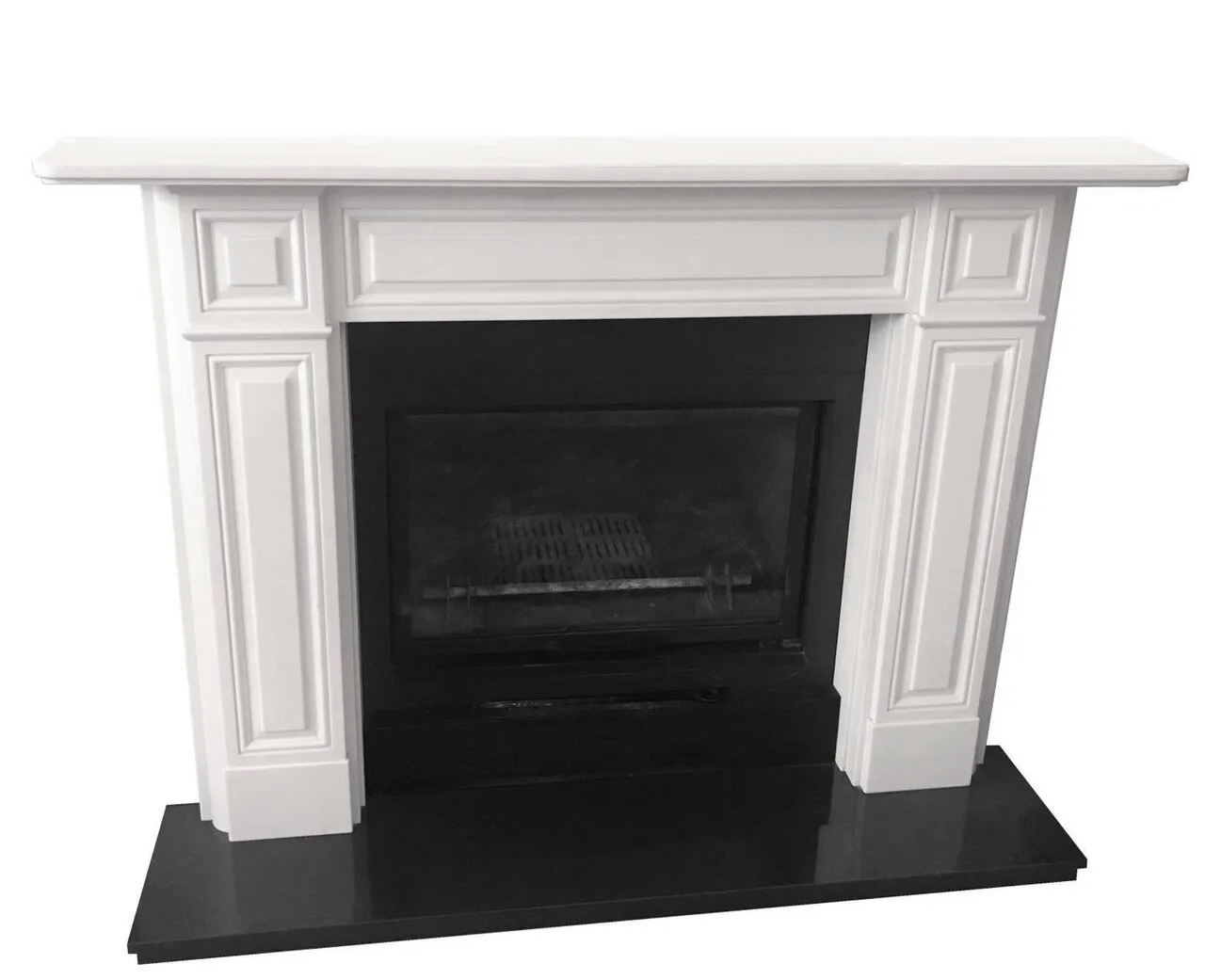
A honed finish is a smooth, matte or satin surface with little to no reflection, produced by stopping the grinding process before the stone reaches a full polish. It is the most common alternative to polished stone.
How Is a Honed Finish Produced?
Honing grinds the stone with abrasives, just like polishing, but stops at a coarser stage. The surface is smooth and even, but it scatters light instead of reflecting it, which produces the soft, low-sheen look that defines honed stone.
How It Looks and Feels
Honed stone has a calm, matte appearance and a velvety-smooth feel. Colors look softer and less saturated than on polished stone, and the surface has no glare. This quieter look suits both rustic and contemporary interiors.
Where It Is Used
Honed finishes are popular for floors, where their lower slipperiness and better scratch-hiding are advantages, and for countertops where owners want a more relaxed, matte appearance. Honed marble is especially common for floors and bathrooms.
How the Finish Affects Maintenance
Honed stone hides scratches and fingerprints better than polished stone, but its more open surface can show stains and water marks more readily on some stones — particularly lighter marble and limestone. Sealing helps, but honed surfaces can require more attentive cleaning of spills.
Advantages
- Hides scratches, etching, and fingerprints well.
- Less slippery underfoot than polished stone.
- A soft, contemporary matte look.
- Wear becomes less visible over time.
Limitations
- Can show stains and water marks more readily.
- Colors look less vivid than polished.
- May need more frequent sealing on porous stones.
- Shows oily fingerprints on darker stones.
Common Misunderstandings
Honed is not "unfinished" stone — it is a deliberate, controlled finish with its own maintenance profile. Honing does not change a stone's porosity, but it can change how readily marks show, which is why honed and polished versions of the same stone are often maintained differently.
References & further reading
- Stone Finishes — Natural Stone Institute
- Honing — Wikipedia