Natural Stone
What Is Limestone? Properties, Uses, Pros and Cons
Limestone is a workhorse of architecture and a close relative of marble. It forms in marine environments and shares the acid-sensitivity of other calcite stones.
Quick answer
Limestone is a natural sedimentary rock made mostly of calcium carbonate, often from the remains of marine organisms. It is softer and more porous than granite and is widely used in flooring, cladding, and architecture.
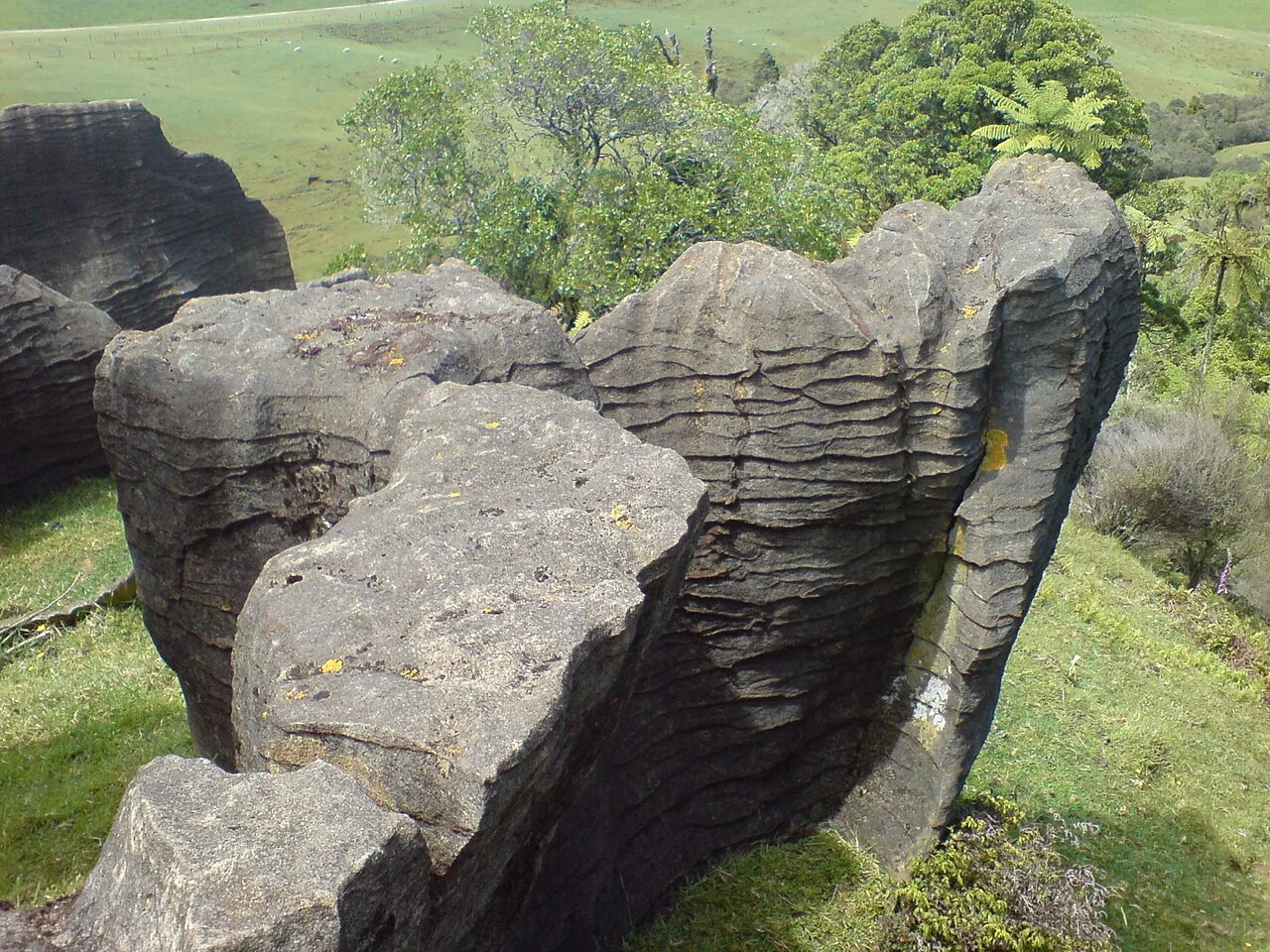
Limestone is a natural sedimentary rock made mostly of calcium carbonate, much of it from the accumulated remains of marine organisms. It is one of the most widely used building stones in history and a close relative of marble.
How Does Limestone Form?
Limestone forms in shallow marine environments where shells, coral, and lime-rich mud settle and compact over long periods. Some limestone also forms by direct chemical precipitation from water. Over time, burial and pressure harden the deposit into rock.
What Does Limestone Look Like?
Limestone is usually even and muted in appearance — creams, greys, beiges, and soft tans — sometimes with visible fossils or fine layering. It generally lacks the strong veining of marble, which makes it well suited to large, calm architectural surfaces.
Where Is Limestone Used?
Limestone is used for flooring, wall cladding, fireplace surrounds, exterior facades, and paving. It appears less often as a kitchen countertop because it is softer and more porous than granite or quartz, but it remains common for bathrooms and large surfaces.
Porosity and Sealing
Limestone's porosity varies by type, from dense varieties to quite porous ones. It is generally more porous than granite and commonly benefits from sealing in wet or high-use areas. Sealing reduces absorption but does not make the stone stain-proof.
Etching and Scratch Resistance
Like marble, limestone is calcium-carbonate based, so acidic liquids can etch its surface. It is also relatively soft and scratches more easily than harder stones. These two properties — acid sensitivity and softness — are the main reasons limestone is used selectively for countertops.
Common Finishes
Limestone is usually honed or tumbled rather than polished, because its softer surface rarely holds a high polish. Honed limestone has a smooth matte look; tumbled limestone has a rustic, aged appearance with rounded edges.
Advantages
- Calm, even color that suits large surfaces.
- Widely available and often economical.
- Works well in traditional and contemporary settings.
- Soft, matte finishes hide everyday wear.
Limitations
- Softer and more porous than granite or quartzite.
- Etches from acidic liquids.
- Needs sealing in wet and high-use areas.
- Less suitable for heavy-use kitchen countertops.
Common Misunderstandings
Limestone is not simply "unfinished marble." It is its own stone with its own range of hardness and porosity. Sealed limestone is not waterproof, and low-porosity limestone is not immune to etching — acid sensitivity comes from its calcium carbonate chemistry, not from its porosity.