Engineered Surfaces
What Is Solid Surface? Properties, Uses, Pros and Cons
Solid surface is best known for two things: it can be joined into almost invisible seams, and minor damage can usually be sanded and repaired on site.
Quick answer
Solid surface is a manufactured material made from acrylic or polyester resin mixed with mineral filler. It can be shaped into nearly seamless forms, is repairable, and is widely used for countertops and commercial surfaces.
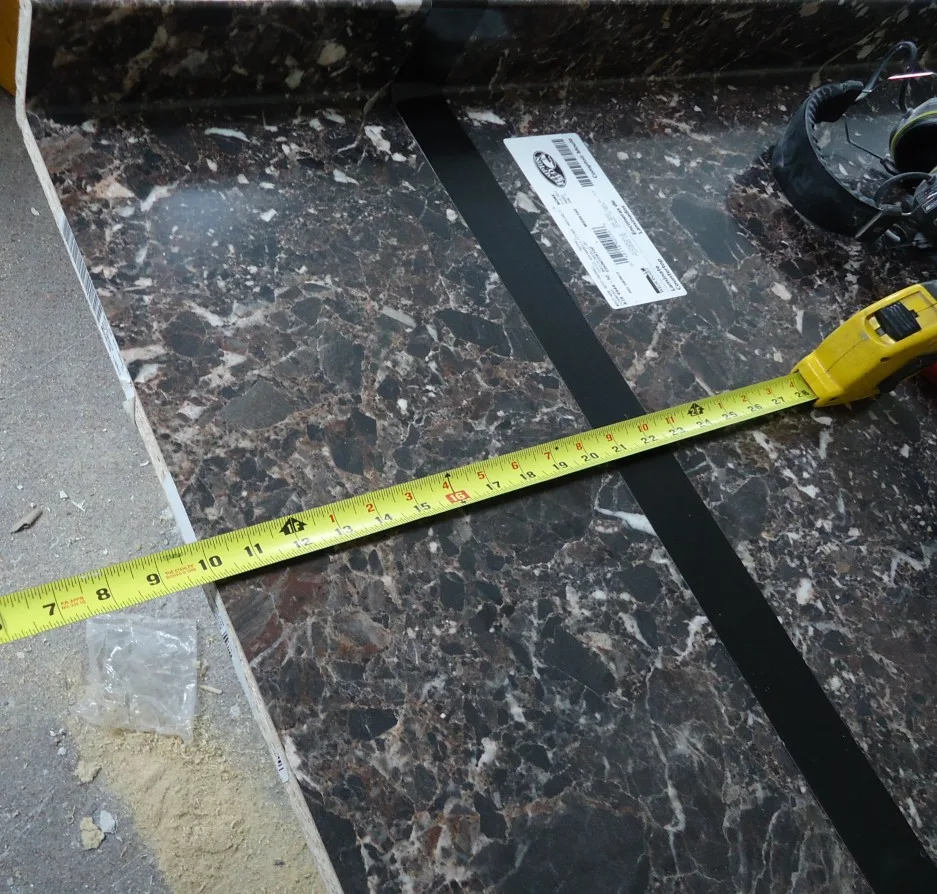
Solid surface is a manufactured material made from acrylic or polyester resin mixed with mineral filler. It is known for two things: near-invisible seams and the ability to repair scratches and minor damage by sanding.
What Is It Made From?
Solid surface combines a resin binder — usually acrylic, sometimes polyester — with mineral filler such as alumina trihydrate, plus pigments. The proportions and materials vary by manufacturer and product line.
How Is It Manufactured?
The resin and filler are mixed, poured or pressed into sheets, and cured. The sheets are then machined into countertops, sinks, and other shapes. Because the color runs through the whole thickness, edges and seams can be joined and sanded into a nearly continuous surface.
What Does It Look Like?
Solid surface is available in solid colors and stone-like speckled patterns, with a matte to satin finish. It lacks the depth of real stone, but its smooth, monolithic look — with integrated sinks and almost invisible joints — is its signature aesthetic.
Where Is It Used?
Solid surface is used for countertops, bathroom vanities, integrated sinks, wall cladding, and commercial surfaces such as reception desks and healthcare worktops. Its seamless, repairable nature makes it popular in high-use commercial settings.
Porosity and Maintenance
Solid surface is non-porous and does not require sealing. It resists stains well and can be cleaned with mild, non-abrasive products. Minor scratches and burns can often be sanded and polished out on site, which is a practical advantage few other surfaces share.
Heat Resistance
Solid surface is not heat-resistant in the way stone is. Hot pans can scorch, crack, or discolor it, so trivets and heat pads are essential. This is the material's most important practical limitation in kitchens.
Advantages
- Near-invisible seams and integrated sinks.
- Repairable — scratches and burns can be sanded out.
- Non-porous and easy to clean.
- Consistent, repeatable color.
Limitations
- Poor heat resistance.
- Scratches more easily than quartz or stone.
- Can be damaged by strong chemicals or abrasives.
- Lacks the depth and character of natural stone.
Common Misunderstandings
"Non-porous" does not mean indestructible — solid surface can still be scratched, burned, and stained by strong dyes. It is also not the same as engineered quartz, even though both are resin-containing manufactured surfaces; solid surface is softer and more repairable.
References & further reading
- Solid Surface — International Surface Fabricators Association
- Solid surface — Wikipedia