Natural Stone
What Is Soapstone? Properties, Uses, Pros and Cons
Soapstone feels different from polished granite or marble — softer to the touch, yet dense and resistant to staining. Its changing surface is part of its appeal.
Quick answer
Soapstone is a natural metamorphic rock rich in talc, which makes it soft to the touch but very dense and low-porosity. It darkens over time and is often treated with mineral oil or wax rather than a sealer.
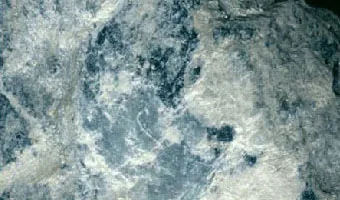
Soapstone is a natural metamorphic rock rich in the mineral talc, which gives it a soft, almost soapy feel. Despite that softness, soapstone is very dense and low-porosity, which is an unusual and useful combination for kitchen surfaces.
How Does Soapstone Form?
Soapstone — also called steatite — forms when rocks rich in magnesium are altered by heat and chemically active fluids, a process that produces talc. The proportion of talc varies, which is why some soapstone is softer and some is harder and better suited to countertops.
What Does Soapstone Look Like?
Soapstone is typically grey, grey-green, or near-black, often with subtle veining. Its surface is matte rather than glossy. Over time, with use and oiling, it darkens and develops a patina that many owners value as part of the material's character.
Where Is Soapstone Used?
Soapstone is used for kitchen countertops, sinks, fireplace surrounds, and laboratory worktops — its density and chemical resistance have made it useful in scientific settings. In kitchens, it is prized for its heat tolerance and quiet, matte appearance.
Porosity and Care
Soapstone is dense and generally low-porosity, so it does not typically need sealing. Instead, it is often treated with mineral oil or wax, which deepens its color and evens out surface marks. This is a routine cosmetic treatment, not a sealer, and it does not make the stone stain-proof.
Heat and Scratch Resistance
Soapstone handles heat very well and is often used directly under hot cookware. It is, however, soft — it scratches and dents more easily than granite or quartz. Many of these marks can be blended back into the surface with light sanding and oiling, which is one of soapstone's practical appeals.
Advantages
- Dense and low-porosity, with little need for sealing.
- Excellent heat resistance.
- A matte, quiet look that develops a natural patina.
- Minor scratches can often be repaired by sanding and oiling.
Limitations
- Soft — scratches and dents more easily than harder stones.
- Limited color range.
- Surface changes over time, which some owners find unpredictable.
- Not all soapstone is hard enough for countertops.
Common Misunderstandings
Soapstone's softness is not a sign of weakness — its density gives it real stain and chemical resistance. Oiling is not the same as sealing, and neither makes the stone stain-proof. And soapstone is a natural stone, not a manufactured product.