Natural Stone
What Is Onyx Stone? Properties, Uses, Pros and Cons
Onyx is chosen for drama rather than durability. Its banded, sometimes translucent appearance makes it a favorite for backlit walls and statement surfaces.
Quick answer
Onyx is a banded stone, often a form of calcite, used mostly for decorative surfaces. Some onyx is translucent and can be backlit, but it is relatively soft and needs careful handling.
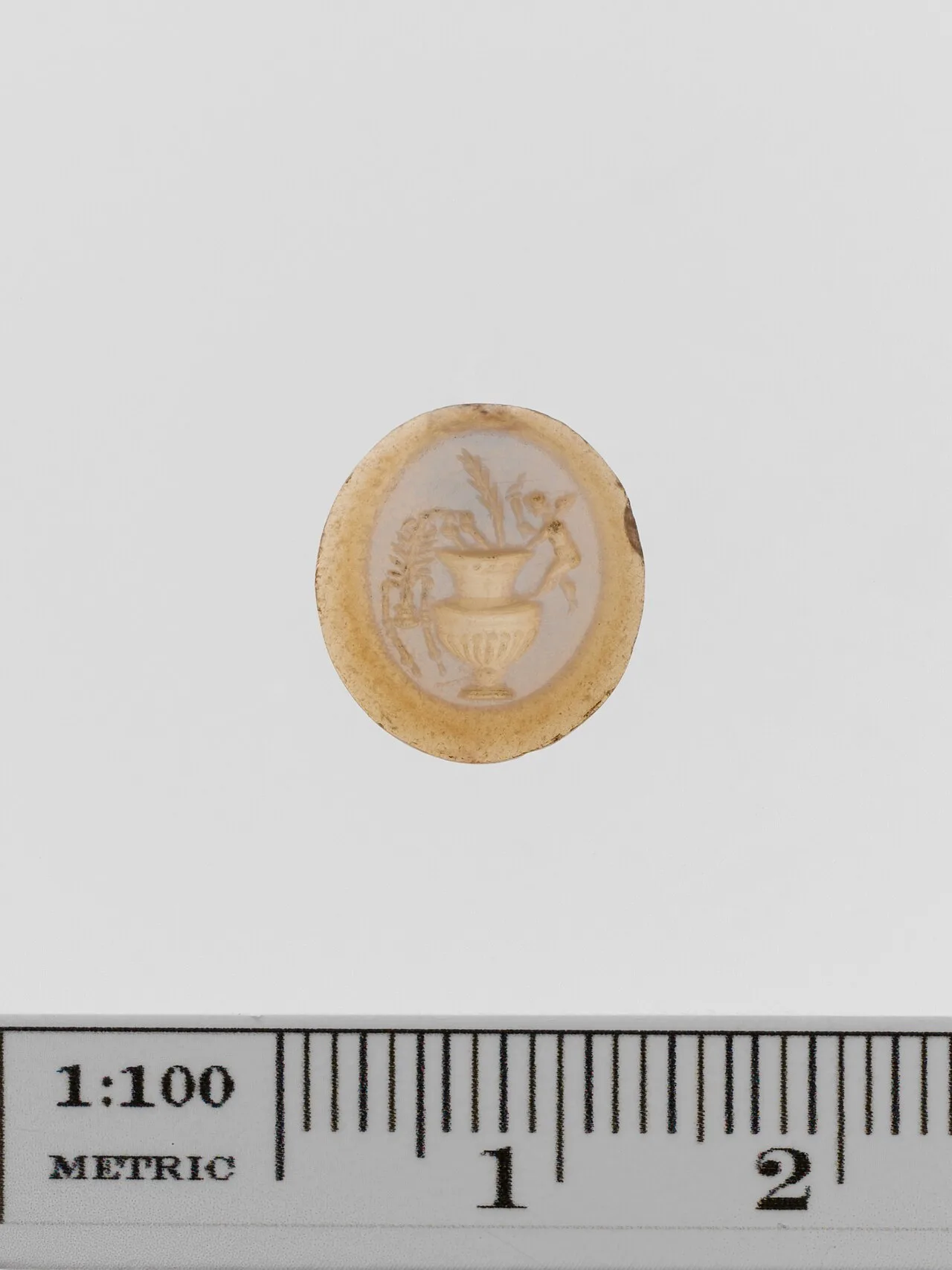
Onyx is a banded stone, most often a form of calcite or travertine, known for its parallel layers of contrasting color. It is used almost entirely for decorative surfaces rather than heavy-use worktops, because it is relatively soft and delicate.
How Does Onyx Form?
Onyx forms when mineral-rich water deposits successive layers of calcite or silica, often in caves and around springs. Each layer carries slightly different minerals, producing the parallel bands that define onyx. The term "onyx" is also used for a different, harder mineral — banded chalcedony — which is why context matters.
What Does Onyx Look Like?
Onyx ranges from honey, cream, and white to green, amber, and red-brown, always in bands. Some calcite onyx is translucent, meaning light passes through it — a property that makes backlit onyx a dramatic feature in bars, walls, and reception areas.
Where Is Onyx Used?
Onyx is used for backlit feature walls, bar fronts, bathroom vanities, and statement surfaces. It is generally not recommended for busy kitchen countertops, where its softness and acid sensitivity would show wear quickly.
Softness and Care
Onyx is softer than granite and quartzite and scratches relatively easily. As a calcium-carbonate stone, it can also etch from acids. Onyx is commonly sealed, and it needs gentle, non-acidic cleaning. Even with care, it should be treated as a decorative surface rather than a work surface.
Advantages
- Striking banding and, in some pieces, translucency.
- Creates dramatic backlit features.
- A distinctive, high-impact look for accent areas.
Limitations
- Soft and easily scratched.
- Can etch from acids.
- Needs careful sealing and gentle cleaning.
- Not suitable for heavy-use countertops.
Common Misunderstandings
Not everything sold as "onyx" is the same mineral — some onyx is calcite-based, while gem-quality onyx is a harder form of silica. Sealing does not protect onyx from etching, and translucency does not make the stone stronger. For high-use surfaces, onyx is usually the wrong tool.