Natural Stone
What Is Sandstone? Properties, Uses, Pros and Cons
Sandstone is essentially cemented sand. Its texture, color, and durability depend heavily on the minerals in the grains and the cement holding them together.
Quick answer
Sandstone is a natural sedimentary rock made of sand-sized mineral grains cemented together. It has a grainy texture, is often porous, and is used for paving, cladding, and architectural stone.
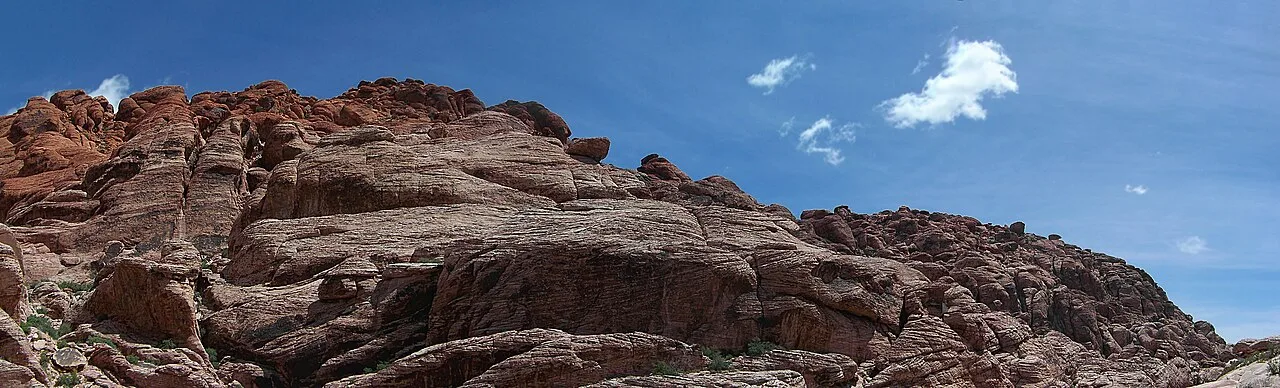
Sandstone is a natural sedimentary rock made of sand-sized mineral grains cemented together. Its texture, color, and durability all depend on what the grains are made of and what cement holds them together.
How Does Sandstone Form?
Sandstone forms when layers of sand — deposited by water or wind — are buried and compacted. Dissolved minerals such as silica, calcium carbonate, or iron oxide then precipitate between the grains and cement them into rock. The type of cement strongly affects how hard and durable the sandstone becomes.
What Does Sandstone Look Like?
Sandstone's color comes from its grains and cement. Common tones are tan, buff, red-brown, and grey, with a visible grainy texture. Some sandstone shows the layering and cross-beds of its original dunes or river deposits, which gives it a distinctly geological appearance.
Where Is Sandstone Used?
Sandstone is used for exterior cladding, paving, garden walls, fireplaces, and decorative features. It is less common indoors as flooring or countertops because many varieties are soft and porous, but it has a long history as a building stone.
Porosity and Durability
Sandstone is often porous, and its durability varies widely. Silica-cemented sandstone can be quite hard; carbonate-cemented sandstone is softer and weathers faster. Because the range is so wide, the specific stone — and its intended use — should guide expectations.
Sealing and Maintenance
Porous sandstone used indoors or in exposed locations is commonly sealed to reduce absorption and staining. Sealing lowers staining risk but does not make the stone waterproof or stain-proof, and exterior sandstone will still weather naturally over time.
Advantages
- Warm, natural colors and a soft, grainy texture.
- Readily available and often economical.
- Works well for exterior and landscape use.
- A long history as a building stone.
Limitations
- Often porous and absorbent.
- Durability varies greatly by cement type.
- Softer than granite and quartzite.
- Can erode and flake in exposed conditions.
Common Misunderstandings
Sandstone is not one material with one set of properties — two sandstones can differ as much as sandstone differs from granite. Sealing does not stop weathering, and "sandstone" refers to grain size and origin, not to a single level of hardness or porosity.